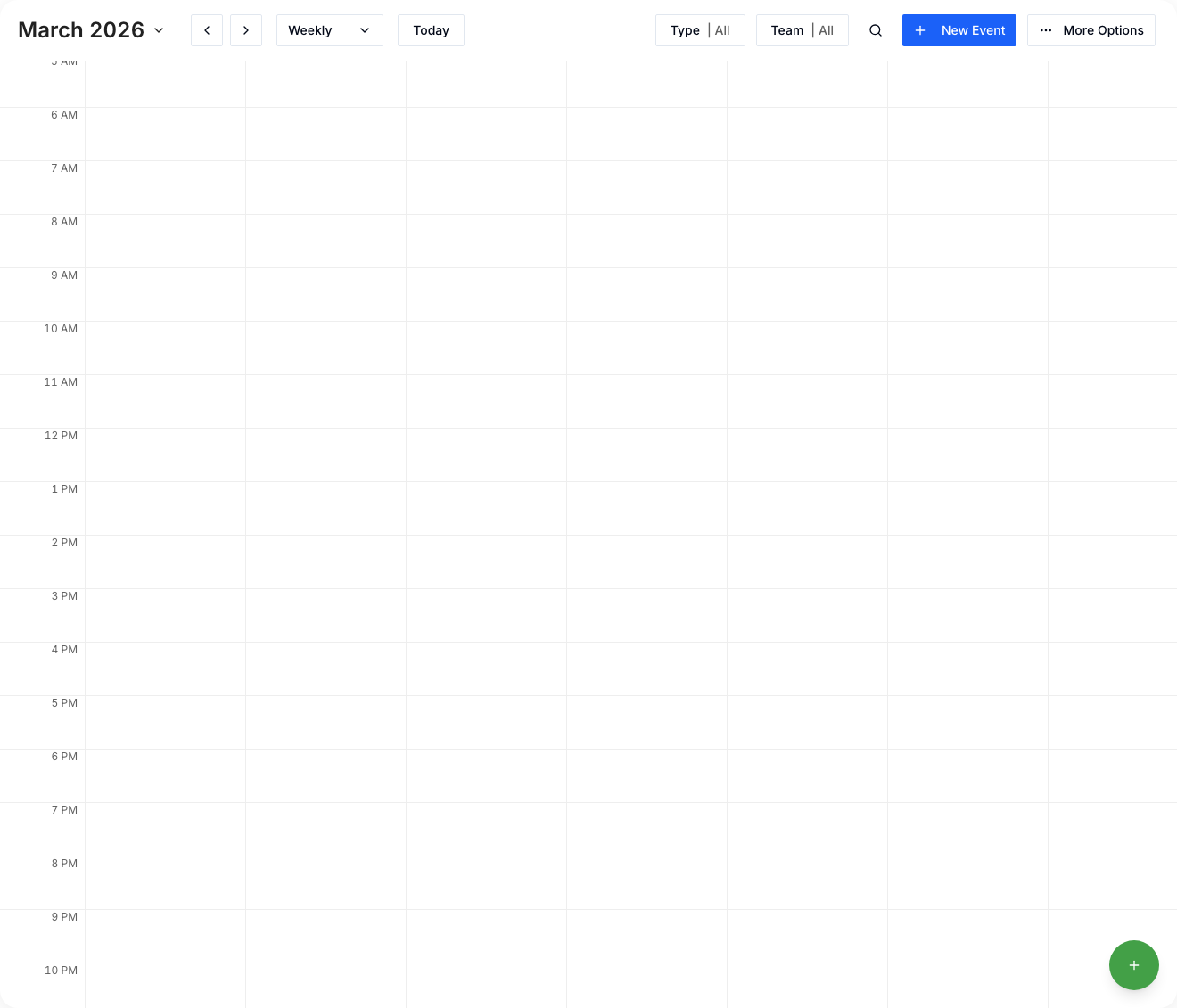
Dispatch management
Think dispatch-wide. Move local.
Job packets, route changes, crew reassignments, and ETA updates all stay on one unified dispatch platform.
Operate from one live board.
See unassigned work, active crews, and same-day pressure without rebuilding the day from phone calls.
Assign the right crew fast.
Route the next call using crew availability, job context, and what is already moving across the board.
Keep customers updated.
ETA changes, delays, and job packets stay attached to the same dispatch motion instead of branching into separate tools.
Explore JobsiteOn's dispatch coverage
See who is closest, where the board is slipping, and which service windows need a new route before the next customer calls in.
Manage dispatch locally, from first assignment to close.
Leave behind assignment guesswork, disconnected customer updates, and last-minute route cleanup that starts after the board is already slipping.
Dispatch board
Dispatch like every crew is within reach.
See scheduled work and open gaps in one operating view so the office can make the next assignment without rebuilding the day from memory.

Customer notifications
Update customers like dispatch and inbox are one system.
Arrival windows, delay notices, and on-the-way updates should follow the same assignment change the office is already making.
Day-of changes
Adjust the board without unraveling the rules.
Dispatch settings, rollout controls, and day-of policies stay clear so every reassignment still follows the same operating system.

JobsiteOn dispatch
“We stopped juggling calls, text threads, and sticky notes just to move one emergency call. Dispatch, customer updates, and crew context all live on the same board now.”
Avery Salazar
Operations Manager, Northline Mechanical
One platform. Every crew. Full visibility.
Run dispatch, job context, customer communication, and operating controls from one system instead of reconciling the day across separate apps.
All assignments, all updates, full board visibility.
Dispatch should generate real-time progress without forcing the office to jump between the calendar, notes, and customer communication tools.
Set controls that work across service zones.
Keep routing expectations, assignment rules, and rollout settings visible so the board stays consistent even as the day changes.
Keep dispatch tied to the rest of the operating record.
Assignments work better when schedule, jobs, GPS visibility, and customer updates all point back to the same active service workflow.